The Best Floor for Your RV or Camper

When it’s time to do a renovation on your RV or camper, choosing the right flooring is the foundation of a comfortable, attractive home on wheels. The flooring will guide the décor of your mobile home, so you want to choose something you love and that jibes with your vision for your home environment. Maybe you want something that feels rustic, like a cabin on wheels, or perhaps you fancy the glamorous vagabond life and desire a more bohemian vibe. The flooring you choose can make or break your look. Happily, you have lots of options for flooring. Here are the most popular, along with a couple you should stay away from.

Recommended Flooring

Luxury Vinyl Planks

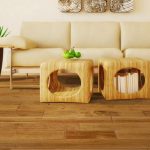
Vesdura Vinyl Planks – 5.3mm SPC Click Lock – Elevation Collection / SKU: 15262457

Luxury vinyl is made from PVC vinyl. Luxury vinyl planks are durable, inexpensive, and water-repellent, and they’re designed to look exactly like hardwood or stone, down to the embossed textures. Luxury vinyl gives you the look of wood without the weight and moisture risks. It comes in numerous species, colors, and finishes, giving you plenty of options for just the right look. It can be installed as a floating floor that snaps together, or it can be glued down. An experienced DIYer can successfully install luxury vinyl, but it’s crucial to leave the flooring in the RV for two or three days so that it can adapt to the internal climate before installation.

Vinyl

Vinyl comes in sheets or sticky-back tiles and is the least expensive option for RV flooring. It’s also one of the easiest to install, thanks to its flexibility. Vinyl is waterproof and durable, but it definitely looks like inexpensive vinyl flooring, no bones about it. It will generally show imperfections underneath, so you’ll want to ensure the subfloor of your RV is as smooth as possible and free of any debris before installing it.

Laminate Flooring

Laminate wood flooring is made of wood composites, which are pressed together and topped with a high-resolution photograph that’s sealed for wear. Laminate flooring looks like real wood or stone, and it’s extremely durable, resistant to scratches and fading. Although it’s easy to clean and maintain, laminate wood flooring isn’t waterproof, which could be a problem if your RV floors often get wet. Spills and puddles must be wiped up and dried immediately to prevent damage to the floor. Like luxury vinyl, wood laminate flooring is available in numerous variations for any style of decor.

Rubber

Rubber flooring comes in tiles and is made from 100 percent rubber. The familiar nickel pattern with raised circles is one of the most popular styles of rubber flooring, but it’s also available in other textures, numerous colors, and even some unique and colorful designs. Gray rubber flooring can give your RV an industrial-chic look, or you can go with a modern eclectic look with any number of colorful patterned options. Rubber flooring is flexible, extremely durable, and slip-proof when it’s wet. It cushions the floor while providing waterproof protection and is resistant to tears, scratches, sunlight, heat, cold, and chemicals. The rubber tiles are glued to the floor, which can be a DIY project for the skilled handyperson.

Linoleum

Linoleum flooring is often confused with vinyl, but it’s very different. Linoleum flooring is made from all-natural materials, including linseed oil and ground cork dust. It’s far more eco-friendly than vinyl, and it’s available in a variety of colorful, funky vintage patterns that harken back to its heydays in the 1950s. This makes it a great choice for RV owners who like to go a little left of center in their mobile home décor. Linoleum is stain- and water-resistant, anti-static, and hypoallergenic. It withstands heavy traffic, including paws and claws.

What to Avoid

Some flooring materials aren’t appropriate for the RV, no matter which way you slice it. Ceramic tiles are very heavy and inflexible, which means they can crack easily with movement and extreme temperature changes. They’re also a slipping hazard when they’re wet. Hardwood floors are also not recommended for the RV due to their weight and the fact that hardwood is not water resistant.

Installation

While going DIY with your RV floor installation can save you some money up front, improper installation can cost you more in the long run due to damage and the need for earlier replacement. Unless you’re a pretty skilled DIYer, or have the help of someone who is, it’s better to opt for pro installation when you can.

Considerations for Choosing RV Flooring

Depending on how you use your RV, some flooring options may be better than others. Consider these factors when you’re exploring your options.

Moisture. Some RV flooring options, like vinyl, are more water-resistant than others, like laminate. If you camp near a lake and tend to enter the RV soaking wet, choose a waterproof floor.

Comfort. If comfort is your primary goal for your RV makeover, choose a flooring that feels good under foot. That might mean carpet if you RV through cold places in the winter, or it might mean the cool comfort of rubber if you meander through the hot desert for months on end.

Noise. If your home on wheels is loud, you may want a flooring type that will muffle the sound. Carpet with padding is an ideal flooring for noise control, and rubber can help muffle sound effectively as well.

Costs vs benefits. You probably don’t want to sink too much money into your RV renovation, so consider costs and benefits when making your flooring choice. Consider costs per square foot, including materials and installation. For each price point, consider characteristics like durability, comfort, and appearance. Only pay what you think those characteristics are worth. For a large RV reno on a budget, you may have to sacrifice some characteristics, but even the least expensive flooring options can be comfy and attractive.

Taking the time to do the research and find the flooring that’s right for your lifestyle, aesthetic, and the way you use your RV will help to ensure you make a flooring choice you’ll enjoy happy trails with well into the future.


Leave a Reply

Old-World Style With Travertine Tile

Today’s post is by Rob Jones, chief blogger and social media coordinator at BuildDirect, an online flooring and building materials firm in Vancouver, Canada.  Here, Rob talks about the appeal of travertine tile, treasured and well-used in the Ancient World, and now offering the same imperial qualities to your indoor and outdoor spaces …

***

Marble and granite are well-known for use in commercial applications.  Slate is naturally slip-resistant, and ruggedly beautiful too in various settings, both indoors and out.  And even limestone gets a look-in when it comes to patios and foyer spaces in the minds of most consumers looking for a sturdy material in a natural stone surface.  Yet, travertine has also been a natural stone workhorse for thousands of years and across many cultures.

Travertine is possibly most associated with the Classical era of Ancient Greece, Palestine, and the Roman Empire, when it was a key building material in building residences, municipal buildings, and even the famous Roman Coliseum.   As a result, travertine has taken on something of that history, suggesting a sort of imperial air, and sense of permanence.

The color range of travertine tile offers gray, tan, beige, golden, and brown tones, with variation from tile to tile, which renders a refined-to-rustically-earthy-appeal.  Even if there are associations with its use, you’re open to use travertine nearly anywhere, just because of its subtle decorative potential.

But, when it comes to buying and installing travertine as a floor or wall tile, what are your options?  What kinds of surfaces and their visual effects are available for you use to transform your space?  Let’s take a look at three options that stand as the more popular choices for travertine tile surfaces.

1. Honed and Filled Travertine Tile
With this surface treatment, the natural pores in the travertine, once caused by escaping gasses seeping through when the stone was formed, are filled with color-matched cement.  Then, the tiles are polished until smooth. For those who like a refined, more pristine look in a stone surface, honed and filled is the perfect choice if you also want the unique color range of travertine.

2. Brushed and Chisled
Because travertine is known for its classical look, a very popular choice is travertine that has been artificially aged.  The surfaces of the tile have been literally brushed, using a wire implement.   And the edges of the tile are similarly treated using, you guessed it, a chisel.  The effect is a replication of wear over the course of hundreds of years, giving the space in which brushed and chiseled travertine is installed the look of imperial regality.

3. Tumbled
Another way that this worn, imperial look is achieved is what’s called ‘tumbled’ travertine tile.  In the travertine tile tumbling process, the tiles are placed in a machine, with gravel and smaller stone fragments, and then shaken.  The smaller stones score the surface of the tile, and that aged effect that so many love is produced.

There are of course variations to be found here, with tiles which are only partially filled to gain the best of both worlds when it comes to a smooth tile that shows off the natural pores in the stone.  Also, there are multiple tile sizes to consider, which also affects the way the tile will look, from mosaic 1″x1″ tiles, to 24″ x 24″ tile.

But, whatever way the tiles are purchased and installed, the use of travertine surfaces tie your space with a tradition of style that extends back to when civilization itself began.  It’s hard to match that kind of longevity.

***

You can read more about travertine and other natural stone surfaces from BuildDirect on the BuildDirect blog.

Leave a Reply

Choosing the Best Flooring for your Basement

basement-flooring

A basement is cooler than an attic, more private than a garage, and was the original man-cave before the term existed. And a good basement starts with great flooring.

The choices you make regarding your basement floor will set the feel, mood and look of your modern dungeon. You’ll also want flooring that combats moisture, as basements are notorious for becoming areas of high dampness.

Let’s take a look at a few of the options, in order of best to worst against fighting moisture.

Ceramic Tile

Regarding the defense against moisture, ceramic tile is arguably the most effective. To the contrary of choosing carpet or hardwood, if a flood happens, your floor isn’t ruined with ceramic. It can hold up against excessive amounts of moisture, while still an eye-catching flooring option. Although the installation can be time consuming and labor intensive, it will be worth your time when the tile survives an unexpected barrage of water.

Vinyl Tile or Vinyl Planks

Vinyl tile is great because you can easily install it yourself. It’s more affordable than ceramic tile, but nearly as water resistant. It’s good option if you’re on a budget, but still want flooring that can withstand potential basement flooding. Most of these tiles easily pull up, so if you have a big spill or small flood with which you need to dry out, simply lift the tiles up and take care of the mess. Vinyl is a great, affordable option that still looks good when compared to other flooring types.

Vinyl planks are very similar to vinyl tile, however they (as you can imagine) come in rectangular plank shapes, versus square tiles. Other than the shape of the vinyl, that is virtually the only difference. They’re both waterproof and an excellent, affordable option for moisture-resistant flooring.

Engineered Hardwood

Engineered hardwood isn’t as moisture-proof as vinyl or ceramic tile, but it’s the next best option. The wood core makes engineered wood flooring feel more like wood than laminate, but the multiple layers of veneer protect it from excessive warping against moisture and heat. The more layers of veneer, the greater protection over water damage it provides.

If you’re looking to put wood floors in your basement, we’d suggest engineered hardwood instead. It looks nearly identical to wood, yet offers a much more protective layer against moisture which can limit the warping.

Laminate

Laminate flooring looks similar to engineered wood flooring, however it feels different and is slightly less water resistant. It’s made by fusing together several layers of materials into one board. The core layer, or the center of the laminate floorboard, is almost always made of high density fiberboard, but sometimes medium density fiberboard.

A transparent layer is then applied over the decorative layer, which is then treated with one or more coats of an aluminum oxide finish – giving laminate the wear resistance against scratches and dents. Although it helps protect moisture, that’s not the core reasoning for it. For that reason, laminate flooring isn’t a bad choice necessarily for your basement, just not something we’d recommend.

Hardwood

Although hardwood flooring is a timeless flooring choice, that typically adds value to your home, it’s probably not the best option for your basement. The real drawback here is the risk of unseen buildup of mold beneath the flooring – not only a risk in the wake of a flood, but also a detriment to the air quality of your home. Also, hardwood flooring can warp very easily with too much exposure from moisture. We’d encourage you to stay away from hardwood flooring in your basement.

Carpet

Carpet is the toughest material to maintain, depending on for your basement needs. Carpeting is the least expensive and easiest to install among the choices listed, but it’s very bad at upholding against moisture. On the contrary, it will keep the basement warmer than any other surface. If your floor is flat, carpet and pad is easily laid down and stretched directly atop the concrete. If your floor is uneven, you will encounter pockets that can stretch and look bad overtime. A decent solution is to glue the carpet to the ground, but good to understand that it isn’t the best long term idea. Also, carpet is practically soundproof, a huge plus for those seeking an escape from pitter patter.

Regardless of the warmth and sound-isolating potential, if you have a floor, you will undoubtably need to replace your carpet. This can add up over time (if you experience multiple floods), so it’s probably best to stick to something like ceramic tile or vinyl.

Conclusion

Ultimately, the choice is yours. We’d suggest the flooring options above as a way to combat moisture, yet still offer warmth and an aesthetically-pleasing floor into your basement. What will you decide? Leave a comment below if you have any additional questions!

Leave a Reply

The Best Flooring for Bathrooms

header_bathroom_flooring_edited-1

The modern bathroom stretches beyond being just a simple space that exists solely for practical purposes; it can (and should) be treated as an additional opportunity to display exceptional design and comfort – and it all starts with the floor.

Bathroom flooring, at it’s best, should enhance the pleasant, tranquil atmosphere of your bathroom. When making your decision, there are a few factors to consider: budget, style, and practicality. Does it look good? Is it within your budget? And of course, does it hold up against moisture?

Answering those concerns, here are our suggestions for what flooring you should put in your bathroom.

NO: Carpet or Hardwood

We grouped carpet and hardwood together, because they are both very poor at upholding against moisture. Carpet will mold and smell, whereas hardwood will warp and crack. Although these are great for other areas of the house, these two flooring options should be avoided in your bathroom.

MAYBE: Engineered Hardwood or Laminate

We grouped these two, because while they’re not a terrible choice, it’s certainly not something we’d suggest amongst other options. Although laminate floors use synthetic material and a photographic layer, there is still some wood. Engineered hardwood floors are also modified wood, but still have wood. Thus, they can both still warp and crack if exposed to excessive water damage. However, if you’re set to have the hardwood look in your bathroom, we’d suggest engineered hardwood since it holds up against water damage the best.

YES: Stone

Stone flooring, such as marble, granite or limestone, has no moisture problems. However, it does have a few drawbacks. It can be a little cold on the feet, in addition to slippery when walking on it out of the shower. It’s also typically the most luxurious option, so it tends to be on the pricier side.

YES: Vinyl

Vinyl flooring is the most affordable (and most popular) choice for bathroom floors. It’s a good option if you’re on a budget, while still seeking flooring that looks great. Not to mention, it’s easy to install yourself. This is hands-down the best bathroom flooring option if you’re on a very tight budget.

YES: Ceramic Tile

If you have a little flexibility in your budget, but not quite enough to purchase stone flooring, ceramic tile is your best bet. It is the best overall flooring option there is, as it has everything you’d look for in a great bathroom floor – it’s waterproof, inexpensive, and looks great. Ceramic tile comes in all sorts of types, styles, and textures, so it shouldn’t be a problem finding a something you love.

If you have any questions, feel free to comment below!

Picture modified, original photo by Flickr user pchweat

Leave a Reply

Flooring Suggestions Based on Home Value – A Consideration of Cost and Return on Investment

Choosing the right flooring for your home involves more than just personal preferences and aesthetics. It’s essential to consider the relationship between flooring choices and the value of your property. While hardwood flooring may be highly desirable, it may not always be the most practical or cost-effective option for every home.

Here are some insights into how flooring should be thought about in terms of home value, helping you make informed decisions that align with your budget and potential return on investment.

1. Assess the Value of Your Home

Woman figuring out how to design her room with a beautiful new floor

Before embarking on a flooring project, it’s crucial to evaluate the current value of your home. If you own a modest or inexpensive house, investing in high-end flooring materials such as solid hardwood may not be financially prudent. The cost of the flooring should align with the overall value of the property to ensure you don’t overcapitalize or price your home out of the market.

2. Consider Market Demands

Understanding the demands and preferences of the local real estate market is vital when choosing flooring options. If potential buyers in your area tend to prioritize affordability and low-maintenance features, it might be better to consider cost-effective alternatives like laminate or engineered wood flooring. Matching the flooring style and quality to what is commonly desired in your market can enhance the appeal and value of your home.

Modern, spacious living room with a beautiful engineered wood floor

3. Balance Aesthetics and Durability

Woman, two kids and a dog playing on the floor

While hardwood flooring can add significant value to a home, it’s essential to consider the practicality and durability of the flooring material in relation to your lifestyle and property type. For example, if you have pets or young children, the risk of scratches or wear and tear on expensive hardwood might outweigh the potential return on investment. In such cases, a more durable option like laminate flooring might be a better fit.

4. Room-Specific Considerations

Different rooms in your home have unique functional and design requirements, which should be factored into your flooring decisions. For instance, areas prone to moisture, such as bathrooms or basements, may require a water-resistant options like engineered wood. Bedrooms or living rooms, on the other hand, can benefit from carpeting, providing comfort and warmth without necessarily affecting the overall home value.

Modern, spacious living room with a beautiful engineered wood floor

5. Seek Professional Advice

professional offering guidance on market trends or cost-effective flooring options

Consulting with real estate agents or interior design professionals can provide valuable insights into the flooring choices that align with the value of your home. They can offer guidance on market trends, cost-effective options, and help you strike a balance between aesthetics and investment return. These experts can also help you determine the potential impact of different flooring materials on your home’s value based on local market conditions.

When considering flooring options for your home, it’s crucial to evaluate the cost and potential return on investment in relation to the value of your property. While hardwood flooring is highly desirable, it may not always be the most practical choice for inexpensive homes. It’s important to strike a balance between aesthetics and functionality, considering market demands and room-specific requirements. By making informed decisions and seeking professional advice, you can select flooring materials that enhance the value of your home without overcapitalizing or pricing yourself out of the market.

This Earth Day, Explore Sustainable Floors to Perfect Your Home

Sustainable Floors

Sustainable is the big, important word in the year 2022. With Earth Day here, now is the time to start thinking about how the materials you choose and use in your home will impact the planet. Even if you know you’re going to be keeping your flooring for many years, there are some flooring materials and products that are simply better for the environment and long-term use than others.

Being in the know when it comes to sustainable materials can feel a little tricky when you’re just getting started or you shopping for a long-overdue home renovation project. After all, you just want flooring that looks good and functions correctly. The good news is you can get that in a form that’s sustainable and earth-friendly for you and your family.

Use this guide to learn more about sustainable floors and their materials that you should look into for your 2019 home renovation or upgrade. You’ll love the way they look and feel, and best of all, the planet and all future generations will thank you!

What Factors Should You Consider?

A green home is a happy home

Choosing sustainable floors that will be good for your home and the planet at large can be downright confusing, and you’re not alone in feeling that way. Here are a few considerations you should take into account when you’re looking at installing flooring in a new home or upgrading any existing space in your house:

  • Where did the materials come from? Eco-friendly sourcing is a must if you’re looking for sustainable flooring. Look for materials that are sourced responsibly and, ideally, not across the world from their installation location.
  • Are they made with recycled materials? Flooring made from recycled materials are one of the most sustainable choices you can make. You’ll also want to know if the flooring you use can be recycled and reused for something else down the road.
  • Will my floors be durable? Flooring that’s durable is the most sustainable choice for your home since you won’t have to replace it in a few years when it becomes worn. Materials like eco-friendly timber can last as long as your home in many cases.
  • Do my flooring materials include toxic chemicals or glues? Some flooring materials do, which generally means they’re not eco-friendly and likely can’t be recycled later. Try to avoid these when possible.
  • Will they help me cut down on heating and cooling costs? Some materials like porcelain and ceramic tile have high thermal mass, which means they’re very good at helping provide additional insulation for your home. That can help you cut back on heating and cooling via forced air systems, which is definitely a benefit for the planet as a whole.

Bamboo Flooring

Responsibly sourced bamboo is a fast-growing material that generally has less environmental impact than harvesting traditional timber like hardwood. With a very similar feel underfoot and a modern, contemporary look, bamboo is a popular choice in many different spaces and is a great choice in sustainable floors. At home in the living room, den, family room, kitchen or bedroom, there’s really no bad place to put bamboo since you can easily warm up your décor with area rugs.

Here are a few of the main benefits of choosing bamboo flooring for your home:

  • Responsibly sourced bamboo is fast-growing, so it puts less stress on the earth when harvested.
  • Bamboo is strong and durable. A bamboo floor will last for many years when cared for properly.
  • Bamboo is easy to clean. That means you’ll use less energy doing things like vacuuming, which is a major issue with flooring like carpet.
  • Bamboo flooring made without toxic glue can be recycled and reused later.


Carpet Tiles

Resilient, multipurpose and beautiful: carpeted tile is a timeless choice that can provide a modern style to your home. Many people love the feel of carpet underfoot, as well as the quieting effect is has on a room to bring calm.

Carpet tiles are easy to install and careful selection will yield many benefits to your home:

  • Durable, never-fray tiles will rarely need replacing and minimize waste over time.
  • Carpet tile made with Natural Touch™ fiber is made with 100% purified recycled bottles and will resist stains, soil, and fading.
  • Carpet tiles are trivially easy to clean and maintain.

Your floors are one of the biggest parts of your home design. You don’t have to give up good looks to use sustainable floors and materials that are good for the planet. Learn more about bamboo, porcelain and ceramic tile, and carpet tile today. With these materials, you can find the look you love without the guilt of shopping for flooring solutions that don’t meet your eco-concerns.

Leave a Reply

Find Your Style: 4 Iconic Looks and How to Make Them Your Own

Building your dream room is easier with a little push in the right direction

If you’re a design lover, deciding on a style for your space can be difficult. After all, those of us that can appreciate elegant design in all of its forms can be attracted to tons of different looks. Making your home feel like a true designer-inspired masterpiece often means picking a look and running with it though, even if you do blend in more eclectic elements down the road.

How can you get started? Working from the ground up is an easy way to build a look that you love. That means starting with new flooring to set the tone for the rest of your design elements.

In this roundup, we’ll talk about four iconic looks and how you can bring them into your home whether you’re building from scratch or taking on a renovation project.

Mid-Century Modern

Mid-century modern styling has been hot, well, since it was brand new, basically! Today, this retro-inspired look often means using period-appropriate materials to bring that 1950s and 1960s style into your more modern home.

Some looks never go out of style: Vesdura Vinyl Planks – XL Silva Collection

In many mid-century modern spaces, natural stone was king. Limestone and travertine were hot at the time, particularly when used in big squares or larger plank-like pieces in living rooms, kitchens and dining areas. You can get that same look at a reduced cost with stone-look tile made from porcelain or ceramic.

Vinyl flooring was also a modern material at the time. If you’re on a budget or you like the truly vintage vinyl look, modern vinyl is a lot more durable. You may even be able to install it in spaces like your kitchen on your own.

Boho

Boho design is a modern mainstay that many people love. Achieving the look, at least when it comes to your floors, is often about color and texture. There are a few different ways to bring this look to life in your space though.

One great way to do this is to utilize natural hardwood with lots of texture. Recycled and reclaimed hardwood provides the depth and more natural appearance that you’re looking for in this design style. Herringbone patterned wood is also a common theme in Boho spaces.

Luxury vinyl flooring that looks like natural wood is also a smart choice, particularly in kitchens and other common areas. Using it can save you money in many cases as well.

Modern Farmhouse

Today’s modern farmhouse can come in a lot of flavors. If you love this look, that should be a good thing. After all, it means you get to add a little bit of your own design personality to the mix.

Natural wood flooring in rich, dark tones with or without distressed texture is a go-to for modern farmhouse design. Wide planks are especially popular. Luxury vinyl flooring is also a popular pick if natural wood isn’t in the cards for your space.

Looking for something different though? We’re seeing more and more white ceramic and porcelain tile pop up in clean, modern farmhouse spaces. Try it if you prefer a look that’s a little more modern than farmhouse, so to speak.

Minimalist Looks: Scandi and Japandi

Minimalist by nature, Scandinavian and Japandi design – a design subset that combines Scandinavian and Japanese minimalism – are brilliant choices for your home if you prefer a clean, open look. Utilizing a more muted color scheme, this style is simple, yet refined enough to be considered high design.

Achieving it starts with using natural materials. When it comes to your flooring, that means bright wood flooring options like unstained wood, which is a classic Scandi approach. If you prefer the more modern Japandi style, options like bamboo are often eco-friendly.

Going for a more eclectic minimalist approach? You’ve got a ton of flooring options that run the gamut from natural hardwood to clean, classic tile made from porcelain or ceramic. Stone flooring can also be extremely functional and easy to maintain if you love the look and you’re willing to spend a little more to get it.

Add iconic style to your space starting with the floors today. Shop online or speak with one of our design associates to learn more about flooring for every room in your home.

Leave a Reply

BuildDirect Interviews: Camille Swanson

We sat down with one of Arizona’s most exciting Realtors for International Women’s Day

camilleswanson.com

Camille was originally born in Kingston, Jamaica, and emigrated to New York, US at 11 months old. She graduated from the College of Williams & Mary with a Bachelors of Business Administration in ‘98. After a brief stint as a digital media buyer at SoHo ad agency, she moved to LA in ‘99, Married in ‘02, and moved to Phoenix, Arizona to be a homemaker in ‘04 before digital media had taken root there. She became a licensed realtor in 2005.

Photo Courtesy of Camille Swanson

So, tell us a little about yourself:

In 16 years as a REALTOR®, I’ve completed hundreds of transactions with institutional & individual clients during some of the most tumultuous periods of real estate history. The skills I learned are invaluable to my career & people I serve. 

Along the way, I received accolades like Top Producer & awards like the Executive Awards (top 10% at Realty Executives Phoenix) & 100% Club Award. None of it is as important to me as the friendships and relationships that I’ve fostered with my clients & friends. [I’m] fortunate & grateful for the opportunities I’ve had working alongside innovative folks with some of the best & brightest business minds there are!

What do you do for a living and where are you based?

I’m a realtor by trade, but I specialize in pre-list & post-purchase renovations. Friends & clients ask me for inspiration regularly. Some clients will contact me as much as a year in advance to start preparing for a sale.

How did you get into this line of work? 

It was accidental. I have a business degree with a fine arts minor. I planned to go into investment banking & walked away from a job at Merrill Lynch in World Financial Center, but fell into the world of digital media. Good thing because I’d have been right at ground zero on 9/11. Real estate was a new career after I moved to the desert barefoot & pregnant from the beach in SoCal. I walked away from the interview process at the University of Phoenix to be their in-house media buyer. I always loved houses; looking at them & seeing how they could be transformed from ugly ducklings to swans. The rest, as they say, is history.

What is your favorite part of your job? 

Seeing the “ah ha!” moment when clients realize that a property is perfect for them; whether they’re buying it or after they finished fixing it. After 16 years, I still have those moments when a carefully planned idea comes to fruition & I scratch my head going “I can’t believe I pulled this off.”

What sets you apart from other Realtors? 

When [issues come] up, I dive in to figure them out where my colleagues might say “not my job” & walk away or simply make something up that sounds good. I’ve saved clients tons of money over the years diagnosing the problem & finding a solution (or advising them to walk away). In return, they come back and/or refer others to me.

What do you think will be the biggest trend in real estate in the years to come? 

Gosh! So many things happening at once… “Aging in place” & multi-generational living will stay big globally: our population is aging faster than we can reproduce. Severe drought in the Southwest will make everyone rethink landscaping & water use. Also here [in AZ], we’ll have to get creative with space. Phoenicians took for granted the wide open spaces & ranch living. PHX is the 5th largest US city! There are more people than there are homes to put them in. A lot of folks will be forced to make do with smaller homes & less land. They’ll need to think like New Yorkers: vertical storage & growth, not horizontal!

Are there any challenges in this industry that you think are unique to women? 

Is that a trick question? *Laughs* Yes- I don’t think every guy likes taking orders from a small girl (about 5’1 and ~95lbs). I’ve only had an issue once with a contractor spending an hour [trying] to convince me that the right way to hang upper cabinets was to align them to a soffit… I called my superintendent to get the guy off my job. For the most part, when they hear me talk they know I have a clue & it’ll be harder to pull one over on me.

How have you overcome these challenges? 

I spent a lot of time learning as much as I could about construction early on. The rest was on the job learning or “trial by fire”. There’ve been plenty of mistakes along the way, but I try to stay up to date on new technology & trends everywhere to keep refining what I have or am [a] part of.

What do you wish more clients understood about what you do? 

I think most of my clients appreciate what I do for them, but have no idea how many pieces I’m managing to give them a full-service, concierge-like experience. I try to shield them from a lot, like they’re my kids. My goal is to make the process less painful & more like it appears on TV, which couldn’t be further from reality.

How did you discover BuildDirect? 

I was looking for affordable wood flooring for a major home renovation. I needed everything. BuildDirect had good variety, quality & was in my budget.

What drew you to us? 

I was very impressed with the overnight samples & the customer service. When we ordered, and even now, [you’re] often my most reliable supplier. I actually complained (jokingly) to my rep that my last order came so fast I wasn’t ready & had no place to put it. It was really a compliment, considering most of the world is in a state of supply chain disruption.

How did our products help you achieve your goals? 

Consistently high-quality products, at an affordable price that arrive on time? Not sure what else to say. I like reliability, not surprises. It’s a good fit!

What advice do you have for homeowners? 

P.O.O.F.: Prioritize, be Organized, Objective and (somewhat) Flexible. 

Prioritize your needs. 

Organize: Plan, and keep [planning]. Schedules change, material/labor availability changes. The more organized you are, (like having materials on-site ahead of time) the less you’ll have surprises & the less expensive it’ll be (in theory!).

 Being Objective is important because sometimes we get “stuck” on little things that don’t matter in the grand scheme of the project. Sometimes, we have to abort-mission when part of the plan won’t work or isn’t worth the cost to meet the objective. If you can’t be objective about it, you might hurt the project or your bottom line, or both! 

Being Flexible makes the experience less painful for everyone involved. I don’t suggest letting people trample you. Good contractors are slammed, but they’re human. We all are: mistakes happen. There is miscommunication. We already discussed supply chain disruptions; It’s life. Either we bend and adapt, or we’re inflexible. 

Life is short; I just finished a prolonged, ugly divorce, followed by living though my own remodel. To stay in my neighborhood, I got a home I could afford. It is half the size of my old house, arguably a “dream house”, but I couldn’t be more pleased with it. It’s not done, but I LOVE it! There were a few hiccups, but I survived & am better off for it. 

A friend told me this morning my kitchen was “gorgeous!” I’m a survivor of domestic violence, so there is NOTHING more empowering than standing in the middle of a home I contributed to rebuilding after someone has commented on some part of it. 

I own my fate. Every woman should know she can and should do what’s necessary to thrive! You can achieve any goal, if you’re committed to it!

You can see more examples of Camille’s work below:

IG: @Camille.swanson
Pinterest: @camilleswanson
YouTube: CamilleSwansonREALTY
LinkedIn: camilleswanson

Leave a Reply

Retro Pattern Vinyl Flooring Can Create a Stunning Blast From the Past Look

Many people underestimate the visual impact that a floor can have in a room, especially since retro-patterned floors are making a comeback. From art-deco to Mediterranean motifs, you can elevate numerous design aesthetics with retro floors.

However, retro floors can be expensive, particularly when using traditional materials, including hand-painted porcelain tile and carefully crafted mosaics. The retro-look doesn’t usually come without a hefty price tag.

This is where vinyl flooring comes into play. Vinyl flooring is cost-effective, durable, and stylish, too. There are numerous patterns to choose from, so you can get the retro look you want from retro pattern vinyl flooring.

What is the Retro Look? An Introduction to Retro Pattern Vinyl Flooring

Vesdura Vinyl Tile Retro Collection in White & Retro Light Blue SKU: 15270445

A retro look is any style that is inspired by the past. Often, these looks are considered classics because of their ability to stand the test of time. Generally, retro-themed spaces are based on a particular historical era, like the 1950s or 1970s, etc.

When it comes to modern home design, you’ll rarely find a completely retro room. Instead, designers and homeowners pop vintage elements into modern aesthetics to marry classic motifs with modern sensibilities.

The floors are an excellent way to add a splash of vintage charm to a room for some retro inspiration. Traditionally, when people wanted to add retro floors to their space, they’d use the actual materials.

For instance, if homeowners wanted a historical pine floor look, they used actual pine floors to achieve it. That’s one way to do it, but it’s costly and not necessarily the best material. Instead, they could use vinyl or engineered hardwood to get the same look without the cost or maintenance headaches.

This is where vinyl flooring shines. Vinyl flooring has been around a long time. It first became popular in the 1960s and surged to even more popularity in the 1970s when vinyl plank debuted. Today, luxury vinyl has high durability and photorealistic graphic designs, making it possible to get the retro look without the hefty price tag.

The Many Modern Retro Look Options

There are several popular retro styles. Here are four of the most popular:

Black and White Checkered

Featuring Vesdura Vinyl Tile Sterling Bulk Collection in Black & White SKU: 15270173

From Masonic lodges to Egyptian temples, black and white checkered floors date back to the Renaissance era. Black and white often represents the duality of human nature and is a constant reminder of good versus evil. However, when people think of the black and white checkered look, it’s usually an homage to the 1950s diner. For that reason, this design is trendy in kitchens.

Bold Colors, Patterns, and Shapes

Featuring Vesdura Vinyl Tile Retro Collection in Brown & Retro Dark Blue SKU: 15270447


Bold colors, patterns, and shapes like Vesdura Brown and Retro Dark Blue Vinyl Tiles, are often a play on traditional Spanish tile designs. Historically, these tiles were hand-painted to create awe-inspiring floors. Today, you can get this same retro look in vinyl tiles.

Geometric Patterns

Vesdura Vinyl Tile Retro Collection in Carrera SKU: 15273794

Geometric designs, like Vesdura Carrera Vinyl Tiles, are a nod to the art deco design movement. The art deco movement happened during the 1920s and 1930s, and was inspired by industrialism and technology, but it actually wasn’t recognized as an official movement until the 1960s.

Chevron Shapes

Chevron patterns, like Vesdura Chevron Vinyl Tiles, are a retro-themed floor design that ties back to 16th century Europe. It’s also referential to the herringbone pattern that became popular during the Roman empire. Chevron floors are a terrific way to include traditional and ornate home design aesthetics or elevate casual motifs.

Vinyl Flooring: The Chameleon of Floors

When it comes to vinyl flooring, you can’t go wrong. Modern luxury vinyl tiles and planks provide durable, scratch-resistant, and water-resistant floors in an array of colors and styles.

In fact, vinyl floors don’t just emulate retro tiles. Vinyl can also imitate other popular flooring types, like hardwood and natural stone.

In addition, vinyl flooring is a more cost-effective and lower-maintenance flooring option to help homeowners get the floors they want, no matter their budget or maintenance goals.

Where to Find the Best Retro Pattern Vinyl Flooring?

Vesdura Vinyl Tile Retro Collection in White & Retro Green SKU: 15270446

If you’re in the market for retro pattern vinyl flooring, look no further than BuildDirect. We have lots of patterns and styles to match your retro design, and we also have vinyl that looks like hardwood, natural stone, and more. No matter your flooring goals, we have a vinyl flooring design to fit your needs.

BuildDirect partners with the best suppliers and manufacturers to bring you the highest-quality flooring materials at a price point that makes sense for your budget. If you want that retro look, start in our vinyl tile section.
Plus, if you become a PRO Rewards member, you get access to tons of bonuses, like exclusive discounts, on-site delivery, unlimited samples, and more. Become a Pro for free today.

Leave a Reply

The Best Flooring Options for Texas Homes

If you’re looking for flooring for a home in Texas, there are a few things you want to consider before selecting a flooring type. From climate to temperature fluctuations, it’s important to understand how Texas’s temperatures can affect floors.

Let’s look at the climate in Texas and what that means for flooring selection. Then, we’ll go over the best flooring options.

Texas is Hot, Cold, Wet, and Dry – Where You Live Matters

Texas is a large state. In fact, it takes between fourteen to sixteen hours to drive across it, so it’s no surprise that different regions of Texas experience different climates.

  • In the north Texas region, along the panhandle, it’s hot in the summer and cold with plenty of snow in the winter.
  • In east Texas, the climate is in a humid subtropical zone. In other words, it’s hot and humid.
  • In west Texas, the climate is hot and dry with cold winters.
  • In the south and coastal regions, the temperature is hot with abundant rain.

Overall, Texas is the fourth hottest state in the country, and while the state experiences all four seasons, summer and winter are the most prominent for the Lone Star State. In general, you can expect hot, cold, wet, and dry temperatures across the state.

Why does this matter? Well, because climate and temperature can impact the longevity of your floors. For instance, hardwood floors are a much-loved option, but they don’t fare as well in humid or wet climates, so homeowners might want to choose a different flooring type if they live in a wetter environment.

How The Climate Affects Floors

In Texas, your ideal flooring type will depend on the region you’re in, but you’ll want to stay away from any floors that can’t withstand the high temperatures and climate in the state.

Another notable feature of Texas’s climate is how quickly temperatures can change. For example, it can be hot and sunny today, and freezing and raining tomorrow. For that reason, floors in Texas also need to withstand rapidly changing climates.

For example, both standard laminate floors and hardwood floors can expand and contract in volatile temperatures, causing cracking and other damages. For those reasons, you want to stay away from flooring types that can’t handle the changes in temperatures.

Flooring Options for Texas Homes

What flooring types are suitable for Texas homes? These four are the top picks.

1. Porcelain Tile

Porcelain tiles are terrific for humid temperatures. They’re generally waterproof, scratch-resistant, and incredibly durable. Porcelain also comes in various styles, colors, and sizes, so it can match nearly any design motif.

Indulge in the ancient way of marble with marble-look porcelain tile. Featuring Salerno Porcelain Tile Statuario Marble in Statuario Extra SKU: 15191920

Additionally, tile is pretty insulative, so it’s nice and cool to walk on – perfect for beating the Texas heat. If colder winters and cold tiles are a concern, you can always install radiant heating beneath the tile floors to stay warm in the winter.

2. Luxury Vinyl

Luxury vinyl tiles are incredibly durable and an excellent fit for almost every climate. It’s also water-resistant (and, in most cases, waterproof) and stain and scratch-resistant. Luxury vinyl is available in planks or tiles and comes in a variety of styles and colors, including natural hardwood.

Modern vinyl should never be underestimated. Featuring Vesdura Vinyl Planks Influence Collection in Antique Walnut SKU: 15265806

Due to its capacity to look like hardwood, luxury vinyl is a terrific choice for homeowners who want the appearance of hardwood without the headaches and problems with wood floors. It’s also a fraction of the cost.

3. Waterproof Engineered Hardwood

Hardwood flooring is a classic that won’t ever let you down. Featuring Jasper Waterproof Engineered Hardwood in Whitewash Oak SKU: 15271129

Engineered hardwood isn’t the best choice for Texas floors, but it’s a much better alternative to natural hardwood because of its multi-ply plank design. The extra layers help prevent the cracking and warping common with hardwood floors.

If the home is in a humid area of Texas, you’ll want to go with a waterproof option. Waterproof engineered hardwood has a top layer of waterproof hardwood on top of a solid vinyl core.

4. Carpet Tiles

Carpet is cozy, low-maintenance, and insulative, but traditional carpet has significant drawbacks. Carpet tiles allow homeowners to have the benefits of carpet without the drawbacks. It’s easy to install, and getting rid of stains is a breeze. Just replace the tile!

Embrace the coziness and aesthetics of modern carpet tile. Featuring Sonora Carpet Tiles Concord Collection in Black Ice SKU: 15273959

Carpet stands up well to heat, cold, and temperature fluctuations and it’s great for humid and wet climates, too. You’ll want to keep it out of direct sunlight to avoid any color changes, though.

Choosing the Best Flooring for Texas Homes

Ultimately, when choosing flooring for a home in Texas, you want to look for floors that can withstand heat, humidity, cold, and rapid fluctuations in temperature. You can’t go wrong with tile, luxury vinyl, waterproof engineered hardwood, and carpet tiles.

BuildDirect has the largest selection of flooring types for your project. We partner with the highest quality manufacturers and suppliers to bring you the best quality floors at an unbeatable value. Become a PRO today! 

If you become a PRO Rewards member, you get access to tons of additional benefits, including exclusive discounts, 5% credit, on-site delivery, unlimited samples, and more.

Leave a Reply

Marble Look Porcelain Tile That Will Take Your Countertops to the Next Level

Marble is an opulent rock created from recrystallized carbonate minerals. It’s a beautiful stone that is used in everything from sculptures to home construction, and it’s a favorite option for many homeowners.

When most people think about marble, they think of white-colored stone. However, marble can come in a wide range of colors – not just white! Marble is a popular choice for countertops, thanks to its gorgeous appearance and durability.

However, marble does have some considerable downsides as well (more on those in a minute). So let’s take a look at this much-loved material and how you can get the same look for less with marble-look porcelain tile.

A Quick History of Marble

Nothing says luxury like full-coverage marble. Torino Porcelain Tile Bianco Venatino II Series in Carerra White SKU: 15273666

Before we dive in, it’s worth taking note of marble’s remarkable history. New materials are constantly being developed, so It’s always refreshing to look at the materials that haven’t changed.

Marble is one of the oldest stones on the market, dating back to ancient Rome and Greece, where off-white and white marble was used to create and construct everything from statues and sculptures to architectural columns and more.

In fact, the very first use of marble was in the 3rd century BC in the islands of Naxos and Paros in the Aegean Sea. We can also find its usage early in Italy and Anatolia (Turkey).

In the early days, mining marble was arduous and time-consuming and required chiseling away pieces of the stone with hammers and wedges. The stone itself hasn’t changed much, but production has gotten more efficient over the years.

The fact that marble has stayed around this long speaks a lot about it’s beauty and versatility. So, how are we using marble in modern times? 

The Many Uses of Marble in Homes

Marble is still used in many capacities today. From art pieces and interior decoration to luxury construction, monuments, and more, there are numerous uses for this precious and popular stone.

Marble also has several common uses within the home, including:

  • Kitchen Countertops
  • Bathroom Countertops
  • Kitchen Islands
  • Backsplashes
  • Flooring
  • Entryway Flooring
  • Shower and Tubs
  • Fireplaces
  • And more

Of all these uses, countertops are one of the most common uses for marble in homes today. However, marble isn’t necessarily the friendliest material, leading many homeowners to wonder about better alternatives.

The Downsides to Marble

There’s no denying marble’s timeless beauty. However, whether you’re using this stone for your countertops or floors, this natural stone has a few notable downsides.

One of the most significant disadvantages to marble is its hefty price tag. In fact, Marble is the most expensive countertop option coming in at an average of $75-$250 per square foot.

In addition, marble is porous and susceptible to damage from water and heat. It also requires specialized cleaning materials and techniques as well as regular sealing. Marble is incredibly heavy, so it will cost more in labor to get it installed.

Ultimately, many homeowners want the look of this classic stone, but they don’t want all the maintenance and cost headaches that come along with it. That’s where marble-look porcelain tile comes into play.

Achieving the Classic Marble Look with Porcelain Tile

Compared to marble, porcelain tile is more cost-effective, durable, and low maintenance. In addition, porcelain tile resists moisture with ease and is a terrific option for floors and countertops alike.

Porcelain tiles come in several different styles, including a marble-look. In other words, you can have all the benefits of a porcelain countertop, and it can look just like marble at a fraction of the cost.

Installation is easy, too. With porcelain tile countertops, you don’t have to worry about maneuvering heavy stone. Porcelain tile is also non porous, heat-resistant, etch-resistant, and stain-resistant, making it a terrific choice for bathroom and kitchen counters.

If you want the appearance of marble countertops without the price tag or maintenance issues, marble-look porcelain tile is the way to go. However, you need to use a trusted manufacturer because all porcelain isn’t created equally.

The Best Marble-Look Porcelain Tile

Get the look of marble without the hefty price tag. Cabot Porcelain Tile Peak Marble Series in Pacific Grey: SKU 15274869

At BuildDirect, we partner with the best manufacturers to bring you the widest selection of marble-look porcelain tile on the market. We offer options like our Statuario Marble collection to give you the look of marble with a price point that matches your budget.

In addition, all our marble-look tiles are high-quality and durable, so they’re perfect for your countertop (or floors). So, if you want the best marble-look porcelain tile on the market, look no further than BuildDirect.

If you become a PRO Rewards member, you get access to tons of exclusive perks, including unlimited samples, on-site delivery, exclusive discounts, 5% credit, and more. Become a PRO today. It’s completely free and only takes a second to sign up.

Leave a Reply

What Are the Best Carpet Tiles for a Basement?

Are you looking for the perfect flooring option for your basement? Basement floors require a bit more consideration than other areas of the home. There are several different flooring options to consider, but carpet tiles are one of the best.

Let’s look at different basement flooring types and why carpet tiles should be at the top of your list. Plus, we’ll chat about the best carpet tiles for basements and more.

Things to Keep in Mind with Basement Flooring


Chic and stylish, carpet tiles can match any aesthetic. Featuring Sonora Carpet Tiles Concord Collection in Sky Grey: SKU 15273964

You have to be thoughtful when choosing a flooring material for a basement because basements are prone to moisture and humidity. Since they’re built below grade, water and moisture from the earth can easily seep through the walls and floors and build up over time.

Additionally, if there’s any flooding in the home, the basement is unlikely to be unscathed since it’s the home’s lowest level. If you plan to keep your washer and dryer in the basement, there’s even more potential for flooding.

When choosing a basement flooring type, you have to consider moisture resistance and overall durability. You don’t want to use wood, because it easily rots with moisture exposure.

Instead, you’ll want to choose an option that’s moisture and stain-resistant as well as being easy and cost-effective to repair.

4 Options for Basement Flooring Options

There are several basement flooring options available on the market. Here are four of our top picks.

1. Luxury Vinyl Planks

Luxury vinyl planks are water-resistant and, in most cases, waterproof. They come in many styles and can mimic the look of natural hardwood without all of the water concerns.

2. Tiles

Porcelain and ceramic are both great for water resistance. They come in a variety of different styles, too. They’re a bit hard to install and can be costly, though. They also don’t absorb sound or provide any warmth. However, they’re a durable and stylish option to stand up to the water and moisture in a basement.

3. Laminate

Laminate is budget-friendly and easy to install. When paired with a moisture-resistant underlayment, it’s an excellent choice for basement flooring.

4. Carpet Tiles

Carpet tiles are one of the best choices for basement floors. They’re cost-effective and simple to install. They’re also stylish, comfortable, and warm. High-quality options also offer moisture and stain resistance, making them a terrific choice for basements.

Benefits of Carpet Tiles for the Basement Floor

Carpet tiles are one of our top choices because they provide so many unique benefits. Here are some of them:

Easy Installation

Carpet tiles are incredibly straightforward to install. Most of them are peel and stick, making it easy to DIY your initial installation and/or replace tiles down the road.

Cost-Effective

Carpet tiles are also budget-friendly. They come in many options, so you’re sure to find one that fits your budget. Cost-effectiveness is essential when shopping for basement flooring because of the high likelihood of replacement and repairs. Moisture and humidity are inevitable in a basement, so you want to select a flooring type that you can easily afford to repair and replace when needed.

Durability

Whether you’re converting your basement to a living space, play area, workout room, or storage area – the floor will have to withstand a bit of wear and tear. Carpet tiles are durable and can easily stand up to daily use. Many are also stain-resistant, making them a terrific option for basements.

Easy Maintenance and Repairs

One of the most considerable advantages of using carpet tiles is how straightforward it is to maintain and repair them. Daily maintenance requires simple spot cleaning and vacuuming, much like regular carpet. However, unlike traditional carpet, if a tile gets damaged or stained beyond saving, simply remove that tile and replace it, and just like that, the floor looks brand new. This benefit is terrific for areas like the basement.

Water-Resistant

Most carpet tiles are moisture and water-resistant, meaning they won’t be ruined with a bit of water. Simply blot up water with a towel, and the carpet tile should go back to normal. However, if water pools for too long and the tile is ruined, it’s simple to replace the ruined tile.

Comfort

There’s no denying that carpet is the most comfortable flooring option on the market. It’s cozy to walk on, soft underfoot, and absorbs excess noise. Carpet also has excellent insulative properties. If comfort is a factor for you, you can’t go wrong with carpet tiles.

Versatile Style Choices

Carpet comes in various styles, so you’re sure to find one that fits your aesthetic. You can even get creative and mix and match patterns. With seemingly limitless designs, there’s a carpet tile style to suit your basement’s design.

Best Carpet Tiles for a Basement

Add comfort and insulation with carpet tiles. Featuring Senora Carpet Tiles Sequence Collection in Sky Grey SKU:15273980

First, you want to look for carpet tiles that fit your style and budget. You also want carpet tiles that are durable and stain-, fade-, mold-, mildew-, and moisture resistant – especially since they’re going in the basement!

Second, you want to keep in mind that not all carpet tiles are created equally, so you’ll want to find a reputable carpet tile manufacturer to make sure you get the best carpet tiles for your basement project.

Luckily, you’ve come to the right place. At BuildDirect, we partner with the best flooring manufacturers on the market to provide you with the widest selection of high-quality carpet squares possible. As a result, you’re sure to find carpet tiles that match your budget and style.

Plus, if you become a BuildDirect ProRewards member, you get access to exclusive deals, unlimited samples, on-site delivery, and more. Become a ProRewards member today.

Leave a Reply

Can Laminate And Vinyl Flooring Planks Be Stored In A Garage?

When you’re getting new floors installed in your home, you may be able to purchase the necessary materials beforehand to save on cost. If you do, you’ll likely need a place to store them before the installation takes place.

As you might imagine, one of the first places that comes to mind for safe storage is the garage. Is the garage a safe place to store laminate and vinyl flooring?

Challenges of Garage Storage

Can You Store Vinyl and Laminate Flooring in Garage?

Many people assume that the garage is a safe place to store flooring materials, but that could be a costly mistake. Pre-installation flooring materials are not impervious to damage. In fact, they might be more vulnerable pre-installation than they are post-installation.

If you store them in an unstable environment, like your garage, they could get damaged or ruined, costing you tons of money in the process. 

Here are some of the various challenges you might face if you store your flooring materials in your garage:

Unregulated Temperature

Flooring materials expand and shrink based on their location. Laminate tiles and vinyl planks are no different. Their size and shape will change based on the temperature and humidity of their environment.

There’s no centralized air conditioning or heating in most garages, so the temperature fluctuates throughout the day and night. Many factors affect this constant fluctuation, including the weather, insulation, vehicles, and fixtures that are present in the garage.

If your flooring materials are in an environment that is constantly changing temperature, it can affect how the materials acclimate. As a result, you will need to re-acclimate them to the area of your home where they’re going to be installed.

In worst-case scenarios, if your garage gets too hot, this can have a devastating impact on your flooring materials. They can melt, discolor, or become distorted as the heat penetrates the various layers of the vinyl planks and laminate tiles. Do not store them in high temperatures.

Moisture

Challenges of Garage Storage

Moisture and humidity can be extremely dangerous for your floors. If you’re thinking about storing your flooring materials in your garage, this should be one of your primary concerns. How humid is your garage, and is there excess moisture?

Laminate and vinyl planks have protective layers that make them moisture-resistant and highly durable, but those only protect the materials after they’re installed. Before installation, the internal layers of the flooring are highly vulnerable.

If moisture gets inside your tiles or planks, it can cause them to swell and warp, and they’ll be uneven and virtually unusable when you try to install them. The bottom line? Water, humidity, and excess moisture often found in garages, due to their proximity to the outdoors, can damage or destroy your flooring materials.

Dust, Debris, and Pollution

Water isn’t the only thing that can damage vinyl and laminate. A garage is often an environment for harsh chemicals, car fumes, dust, and debris. It’s also a place where critters and insects might hide. Unfortunately, they might think your flooring materials are their next tasty meal or restroom spot.

Since garages are located so close to the outside, with doors that are opened and closed regularly, they are at risk for many potential hazards. When you purchase your new laminate or vinyl flooring, be cautious about where you store it.

Can Laminate Flooring Be Stored in a Garage?

Can Laminate Flooring Be Stored in a Garage?
Add a modern spin to your home’s aesthetic with gorgeous laminate floors designed to look like natural hardwood. Featuring Lamton Laminate Pearl Leather Collection in Bandsawn Malbec SKU: 15170236

The answer is yes. Unless you live in an area with regularly high humidity levels, you can store laminate flooring in your garage. However, if you choose to store your flooring materials in the garage, you need to do everything you can to keep the materials safe from moisture and other potential risks..

You should keep it wrapped in whatever packaging it came in. Try to minimize how often you open and close your garage doors. If you see bugs or critters, try to get rid of them or handle them appropriately.

If you see that the weather is concerning, either with high temperatures or heavy rain or snow, you might consider moving the flooring to a safer place.

Can Vinyl Flooring Be Stored in a Garage?

Can Vinyl Flooring Be Stored in a Garage?
Create a warm and inviting atmosphere to welcome all your guests with luxury vinyl plank flooring. Featuring Vesdura Vinyl Planks SPC Click Lock – Monterey Collection in Capitola SKU: 15257621 

The answer to this question is also yes. Just like with laminate, unless you live in an area with regularly high humidity, you can store your vinyl flooring in your garage. Just be cautious about the challenges mentioned above.

Don’t let the flooring get wet. Don’t let the temperatures get too out of control, and if you have any problems with chemicals, fumes, critters, or insects, you might consider moving your flooring materials somewhere else.

You don’t want to accidentally damage your flooring before you get it installed. If you can, try to minimize how long you store the materials before you start the acclimation and installation process.

The Importance of Acclimation Before Installation

The Importance of Acclimation Before Installation

You must acclimate flooring materials to the temperature and climate of the specific room where they will be installed before beginning the installation. All flooring materials expand or contract based on the temperature and humidity of their environment. You need to ensure that your flooring materials are properly adjusted to their new environment before you install them.

The amount of time this takes differs between flooring types. For vinyl plank flooring and laminate flooring, you should allow the flooring materials to acclimate for at least 48 hours prior to installation.

Find the Best Synthetic Flooring Materials with BuildDirect

Find the Best Synthetic Flooring Materials with BuildDirect

If you’re looking for the best synthetic flooring materials on the market, you should partner with BuildDirect. Our flooring products are handpicked by industry experts and competitively priced to match any budget.

Plus, if you become a PRO Rewards member, you get instant access to exclusive deals, unlimited samples, on-site deliveries, a 5% credit, and more. Become a PRO today!

Leave a Reply