You might also like…






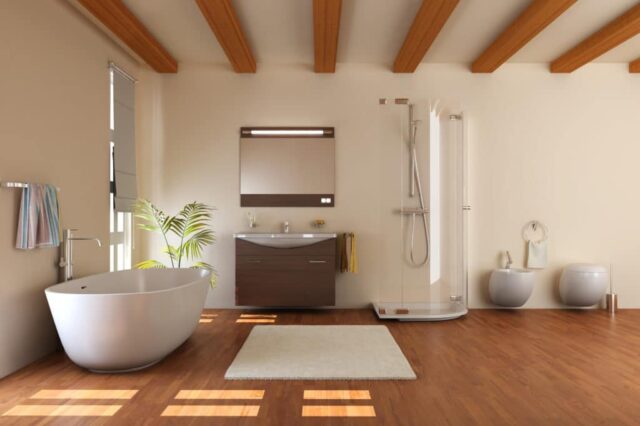
Bamboo flooring is a popular option that more and more designers are choosing for their projects in 2022. In many cases, that’s because bamboo represents a new, novel look that’s different from hardwood, natural stone, ceramic tile or porcelain tile.
It’s also extremely durable and cost-effective, making it quite appealing for high-traffic spaces. A relatively simple installation process makes it particularly popular among homeowners as well.
While bamboo can look beautiful in your home, it isn’t necessarily suited to every bathroom space. Use this guide to learn more about bamboo flooring trends and whether this modern material is right for your bathroom build or renovation. Also, take a look at our two most popular bamboo flooring collections below: Sonora Floors and Yanchi Varuna!
Sonora Floors Bamboo Collection
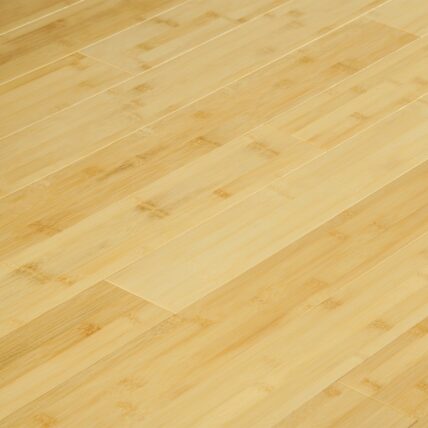
A sturdy and stylish 3 3/4″ bamboo plank, the Sonora Floors Bamboo Collection is constructed in strand woven, horizontal and vertical patterns featuring a smooth, uniform texture that you’ll love. Ideal for spaces like living rooms, family rooms and dens, this nail-down bamboo flooring material looks marvellous in just about any space. Available in a range of finishes like our popular horizontal carbonized honey, the Sonora Floors Bamboo Collection is a cost-effective flooring option that’s designer-inspired. Get a free sample to see this gorgeous bamboo flooring in your home today.
Yanchi Varuna Waterproof Engineered Bamboo Collection
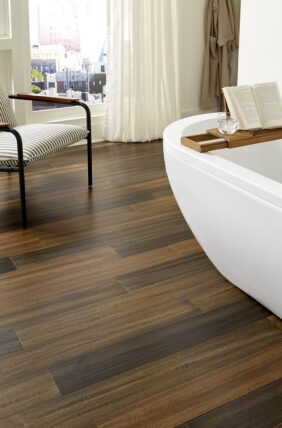
Bathrooms are definitely wet spaces when they have a shower or bathtub. In these spaces, traditional bamboo typically isn’t the best choice since it can be damaged by moisture and humidity over time. Engineered waterproof bamboo flooring removes that problem from the equation.
Designed from 100% waterproof bamboo with a rigid core, the Yanchi Varuna Waterproof Engineered Bamboo Collection is a smart pick for any bathroom. Installed using a click-lock system, Yanchi Varuna bamboo is also a top choice for DIY homeowners who want to handle the installation themselves.
With a 10-year limited commercial warranty, products from the Yanchi Varuna Waterproof Engineered Bamboo Collection are designed to last in your home for many years. They’re also GREENGUARD Gold certified, ensuring that you aren’t putting hazardous chemicals or VOCs in your home.
It’s Also Eco-Friendly and Sustainable

Sustainability is a must for many homeowners looking to build new spaces or renovate their homes in 2022. A renewable grass material that can be harvested sustainably, bamboo tops the list for many people who want a modern look while using materials that are good for the planet. If eco-friendly, sustainable materials are important to you, bamboo could be an ideal choice.
So, Can You Install Bamboo Flooring in a Bathroom?
With bamboo flooring becoming more and more popular, a lot of people want to know if you can install bamboo flooring in a bathroom. The answer, unfortunately, is somewhat complicated. That’s because bamboo is a durable material, but not every type of bamboo flooring is designed for wet spaces.
In powder rooms that don’t have bathtubs or showers, bamboo is a fine material to install on your floor. If you’re using bamboo on the floors in your living room, kitchen or another connecting space, using the same type of flooring in a powder room only makes sense.
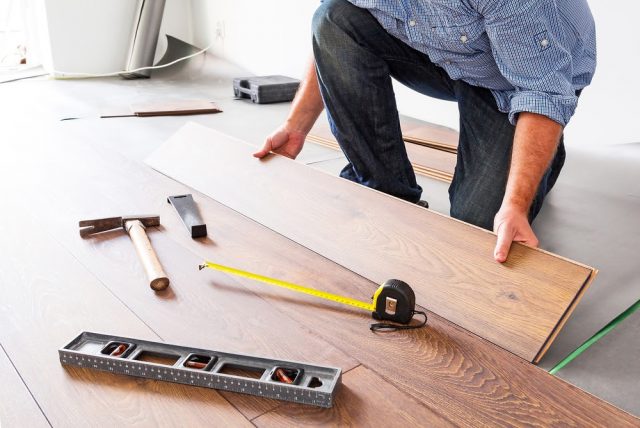
In full wet spaces with showers and bathtubs though, you’ll want to choose a flooring material like waterproof engineered bamboo instead. Waterproof and specially engineered bamboo flooring can resist warping and water damage from spills, wet towels and potential plumbing accidents much better than traditional bamboo.
Hardwood vs. Bamboo for Wet Spaces
Hardwood flooring and bamboo flooring both provide an upscale, stylish look that many designers and homeowners love. While these materials can work in almost every part of your home, they’re typically not suited to wet spaces like bathrooms.
That’s because natural hardwood and bamboo are susceptible to moisture, humidity and standing water damage. Over time, warping, cracking or separating of planks may occur even if you’re diligent about maintenance.
These materials are also more difficult to care for in wet spaces. Adding more of them to your home in bathrooms can make your cleaning routine more difficult. If you skip that maintenance though, your floors are likely to show signs of damage even faster.
One caveat is that both water resistant engineered hardwood and waterproof bamboo can work in wet spaces. Just make sure you’re choosing a waterproof material for your bathroom if hardwood or bamboo is a must-have look for you.
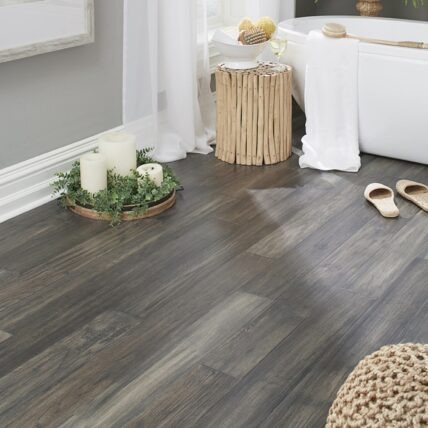
Pros and Cons of Bamboo Flooring in Bathrooms
Still trying to decide if bamboo flooring is right for your bathroom? Here are some of the pros and cons of using this popular material in your home.
Pros of Bamboo Flooring:
• Bamboo has a bright, beautiful appearance that’s modern and unique. Many homeowners love the look of bamboo. It’s also very on-trend for 2022 and sure to be hot in 2023 as well.
• It’s cost-effective compared to other materials like natural hardwood and stone.
• Bamboo flooring is sustainable when harvested according to eco-friendly practices.
• Bamboo is a natural material. We even carry bamboo flooring products that are GREENGUARD Gold certified.
• Engineered waterproof bamboo is extremely durable even in wet spaces. It doesn’t require special maintenance, either.
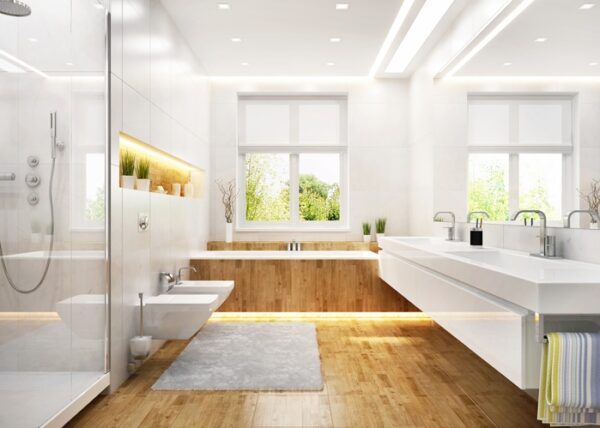
Cons of Bamboo Flooring:
• As mentioned above, natural bamboo flooring is susceptible to moisture, humidity and water damage.
• Mold and mildew can take root in bamboo and ruin your beautiful floors. If you live in an area with a humid environment, you may need to invest in an air dehumidifier to protect your natural bamboo floors.
• Cleaning products can damage the finish of natural bamboo. It’s important to find cleaning solutions that are designed for these types of floors.
Beautiful bamboo is a brilliant, modern material that’s eco-friendly, sustainable and easy to work with. It’s also quite beautiful and cost-effective when installed in the right space.
Whether you’re looking for natural bamboo for your living room or shopping for waterproof engineered bamboo for your bathrooms, we’ve got a range of products that fit the bill at BuildDirect. Reach out today to speak to one of our trained representatives about all of our bamboo flooring options.


 (1 rating, average rating is 2.00/5)
 Loading...